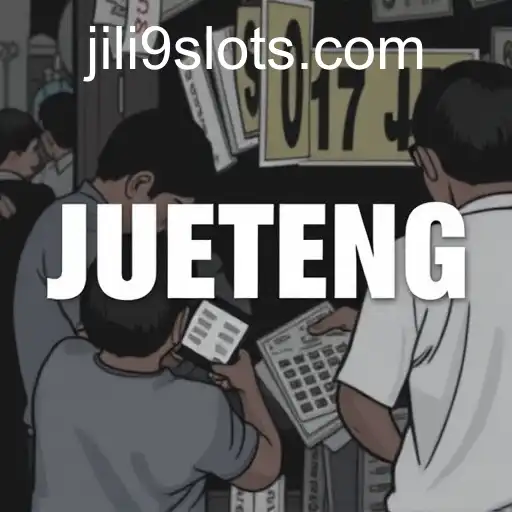
Understanding Jueteng: The Persistent Numbers Game
Jueteng, a clandestine numbers game deeply embedded in Filipino culture, has been a subject of controversy, intrigue, and debate for decades. Known for its widespread influence in Philippine society, jueteng continues to thrive despite numerous government crackdowns. At the heart of its persistence lies a complex web of social, economic, and political factors.
What is Jueteng?
Jueteng, a form of illegal lottery, is thought to have originated from the Spanish colonial period in the Philippines. The game involves bettors picking a set of numbers, typically from 1 to 37, with a winning combination being drawn and announced by operators. Although illegal, jueteng is prevalent in many rural and urban areas across the country, played widely by people from various socio-economic backgrounds.
The appeal of jueteng is simple—its promise of quick monetary reward with minimal investment. This financial allure attracts a large customer base who often see it as a way to gain substantial sums of money without conventional labor.
The Economics Behind Jueteng
Jueteng’s economic framework is intricately tied to the livelihoods of those involved. From operators to collectors, also known as "kubrador," the game provides a means of income for many Filipinos. It’s also an accessible form of gambling, requiring only a small bet that caters to the financial capacities of the general populace.
The persistence of jueteng is also linked to poverty and lack of regular employment opportunities. For many, the game is not just about the thrill of gambling but a potential escape from economic hardship. This stark reality makes the halt of jueteng a significant challenge for authorities.
Socio-Political Dimensions
Jueteng is often portrayed as more than just a numbers game; it’s a societal phenomenon with deep political implications. The nexus between jueteng and politics is profound, involving intricate layers of protection and support from some local officials and law enforcers who may benefit from its operations.
Considered a "patronage game," jueteng has been alleged to fund political campaigns and sustain the influence of local politicians. In return for protection and patronage, operators allegedly provide financial contributions to these officials, creating a cycle that perpetuates corruption and weakens judicial efforts to dismantle the network.
The Attempts at Eradication
Numerous attempts have been made to curb jueteng. However, these efforts are often met with limited success due to the game’s ingrained existence and the economic void it fills for many participants. Law enforcement agencies frequently conduct raids, but these are often short-lived and overshadowed by allegations of corruption and payoffs.
Policies aimed at legalizing similar games, such as the "Small Town Lottery" (STL) initiated by the Philippine Charity Sweepstakes Office (PCSO), were introduced as alternatives. These legal counterparts are intended to provide the government with tax revenues while curbing illegal operations. Unfortunately, STL and similar initiatives have not been entirely successful in supplanting jueteng, largely due to differences in prize structures and payout frequencies which greatly affect bettor preference.
Societal Impact
The persistence of jueteng raises essential questions about its impact on communities. While it serves as a livelihood for many, it can also lead to negative social outcomes, such as gambling addiction and financial ruin for individuals who spend beyond their means in hopes of winning big.
Furthermore, the societal normalization of such illicit activities can foster an environment where illegal practices are more readily accepted and less challenged, impacting broader social and moral frameworks. This culture of gambling, its acceptance, and resulting behaviors ripple through communities, families, and individuals.
Way Forward
Addressing the issue of jueteng requires a multifaceted approach. Simply demonizing the practice or focusing solely on law enforcement actions may not suffice. Instead, addressing underlying economic and political structures that allow jueteng to flourish is crucial. Improving economic opportunities, ensuring accountability in political spheres, and educating the populace on alternative means of financial growth and stability are fundamental strategies.
Understanding jueteng is part of understanding the socio-economic and political landscape of the Philippines. It remains a significant symbol of the complexity within the nation, intertwining various elements that must be cautiously navigated for a long-term resolution. While the game persists, it reflects broader societal challenges that require comprehensive solutions rooted in change and reform.
JILI9: A New Player in the Game?
Amidst the landscape of illegal and legal games in the Philippines, entities like JILI9, a gambling platform known for its online presence, emerge as significant players. While not directly linked to jueteng, platforms like JILI9 represent modern shifts in gambling preferences toward digital arenas.
The rise of online gambling platforms like JILI9 highlights a broader trend towards digital transformation in gambling industries globally. It brings forth opportunities for legal gambling entities to capitalize on technological advancements and capture a market share of gamblers seeking convenience and variety through online formats.
As the discourse continues, the juxtaposition of traditional games like jueteng and the emergence of digital alternatives point to an evolving landscape of gambling in the Philippines, one that straddles between deeply-rooted cultural practices and modern technological progression. Whether platforms like JILI9 can impact the prominence of traditional games remains to be seen but undoubtedly represents the changing dynamics of gambling in the country.